

Hong Kong 7s Rugby 2026: Business Aviation Planning Guide
What Actually Becomes Difficult During Hong Kong Sevens
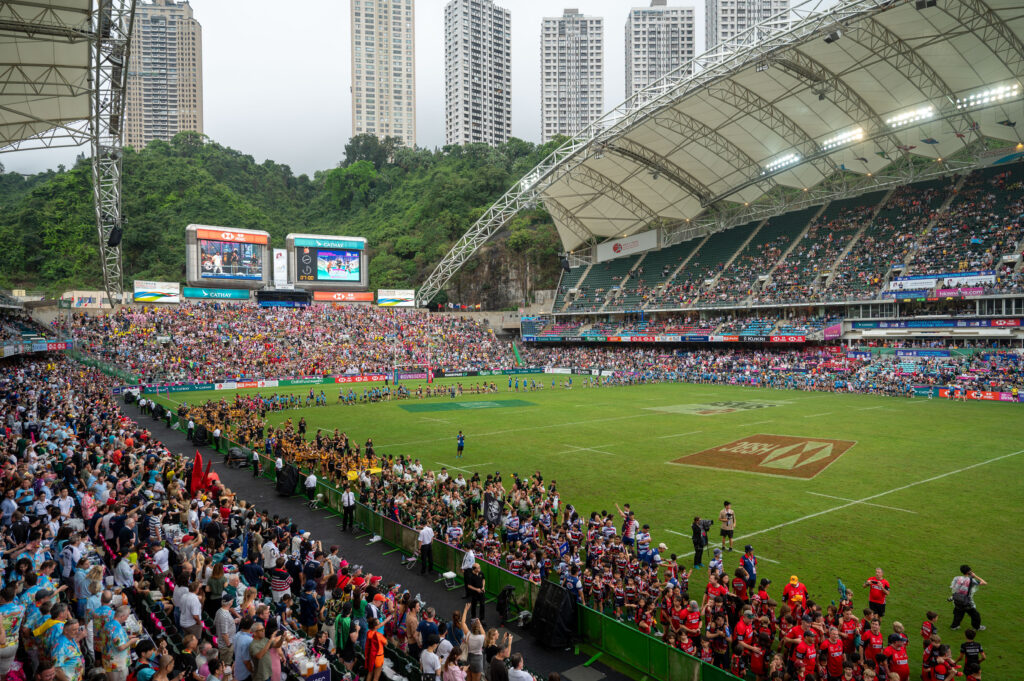
VHHH does not become unpredictable during Hong Kong Sevens. It becomes less flexible.
Access to the airport remains available. Slots continue to be issued. The constraint is not getting in. It is controlling how long the aircraft can remain on the ground and when it can move.
That distinction is where most planning breaks down.
“The assumption is that this becomes a slot problem,” says Alan Pong, Operations Manager, Universal Trip Support Services Asia. “It doesn’t. You will get a slot, but parking inside HKBAC ramp during your entire may not be feasible.”
The Operating Environment at VHHH
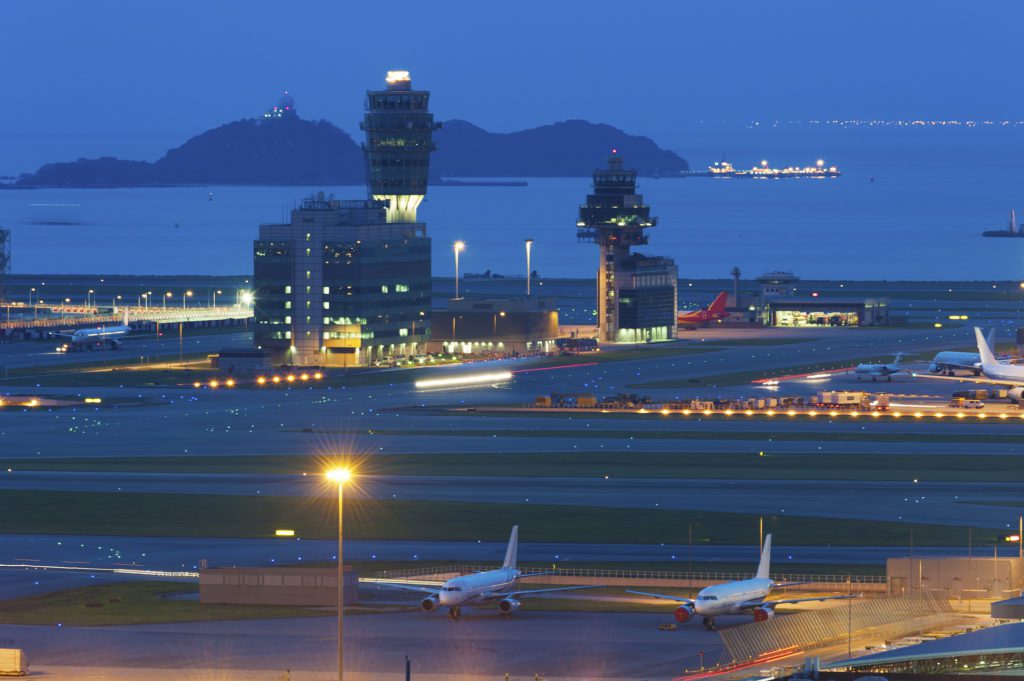
For a detailed breakdown of Hong Kong business aviation requirements, including permits, slots, and parking details, refer to the Hong Kong Business Aviation Destination Guide.
The baseline requirements are unchanged, but the margin for error narrows significantly.
Landing permits are required for private non-revenue operations and should be submitted at least three working days in advance. New or infrequent operators should allow additional lead time. Airport slots are mandatory for all movements, including drop-and-go operations.
VHHH operates 24 hours, but night movement restrictions between 2200 and 0659 local reduce usable flexibility during peak demand periods. As traffic compresses around match schedules, preferred arrival and departure windows become increasingly competitive.
Under normal conditions, tight scheduling at VHHH is manageable. During Hong Kong Sevens, that same approach introduces risk.
Parking Behavior During the Event
Parking is not just limited. It is dynamic.
Availability is determined by allocation priorities, commercial demand, and operational buffers that are not visible from the ramp. As a result, parking approvals are often issued late and may shift as conditions change.
Operators planning around early parking requests as a guarantee are planning on the wrong variable.
“Seeing open space on the ramp doesn’t mean it’s available,” Pong explains. “Those positions are already allocated in ways operators don’t see. That’s why confirmations can come late or not at all.”
Maximum parking duration is typically 14 days, but the more relevant factor is timing. The closer the operation gets to the event window, the less predictable parking outcomes become.
Where Even Experienced Operators Get Caught
The issue is rarely lack of experience. It is confidence in assumptions that normally hold true.
Operators build fixed itineraries around unconfirmed parking. They treat Macau as a fallback without securing it. They wait on parking before initiating alternate permits. They plan arrivals and departures inside narrow preferred windows.
Individually, these are reasonable decisions. During Hong Kong Sevens, they compound into exposure.
A Real Planning Breakdown Scenario
An operator plans a three-day stay at VHHH aligned with the tournament schedule. Parking is requested early and remains pending five days out. No alternate permits are filed, as Macau is assumed to be available if needed.
Inside 48 hours, parking is not confirmed. At the same time, preferred departure slots begin to tighten. Macau demand increases, and parking availability becomes limited there as well.
At that point, the operator is forced to reposition further afield, but now requires permits, revised slots, and schedule changes under compressed timelines.
Nothing in this sequence is unusual. The failure point is timing.
“If you wait for parking to be confirmed before building your backup plan, you’re already behind,” says Alan. “The operators who succeed here plan both outcomes from the beginning.”
Alternates: Planning vs Assuming
Macau (VMMC) remains the closest and most practical alternate, but it does not operate independently of Hong Kong demand. During Sevens, it absorbs overflow traffic and can reach capacity quickly.
Operators should be prepared to reposition beyond Macau, with common options including Hanoi (VVNB), Manila (RPLL), and Taipei Songshan (RCSS). These locations provide viable alternatives, but only if permits and handling arrangements are secured in advance.
An alternate that is identified but not operationally ready is not a contingency. It is a delay.
On-Arrival Considerations Under Peak Demand
Once on the ground, the environment reflects the same constraints seen in planning.
Fuel uplifts are handled via truck and may be delayed during peak periods. CIQ clearance through HKBAC is required for all international GA operations, regardless of stop duration. Departure flight plans typically require three to six hours lead time.
During Hong Kong Sevens, these standard processes take longer to execute and offer less flexibility for last-minute adjustments.
Expert Perspective
“The operators who have the smoothest experience during Hong Kong Sevens are not the ones who secure parking early,” Alan says. “They’re the ones who plan as if they won’t get it and are ready either way.”