


Italy 2026 Winter Olympics: Business Aviation Planning Guide
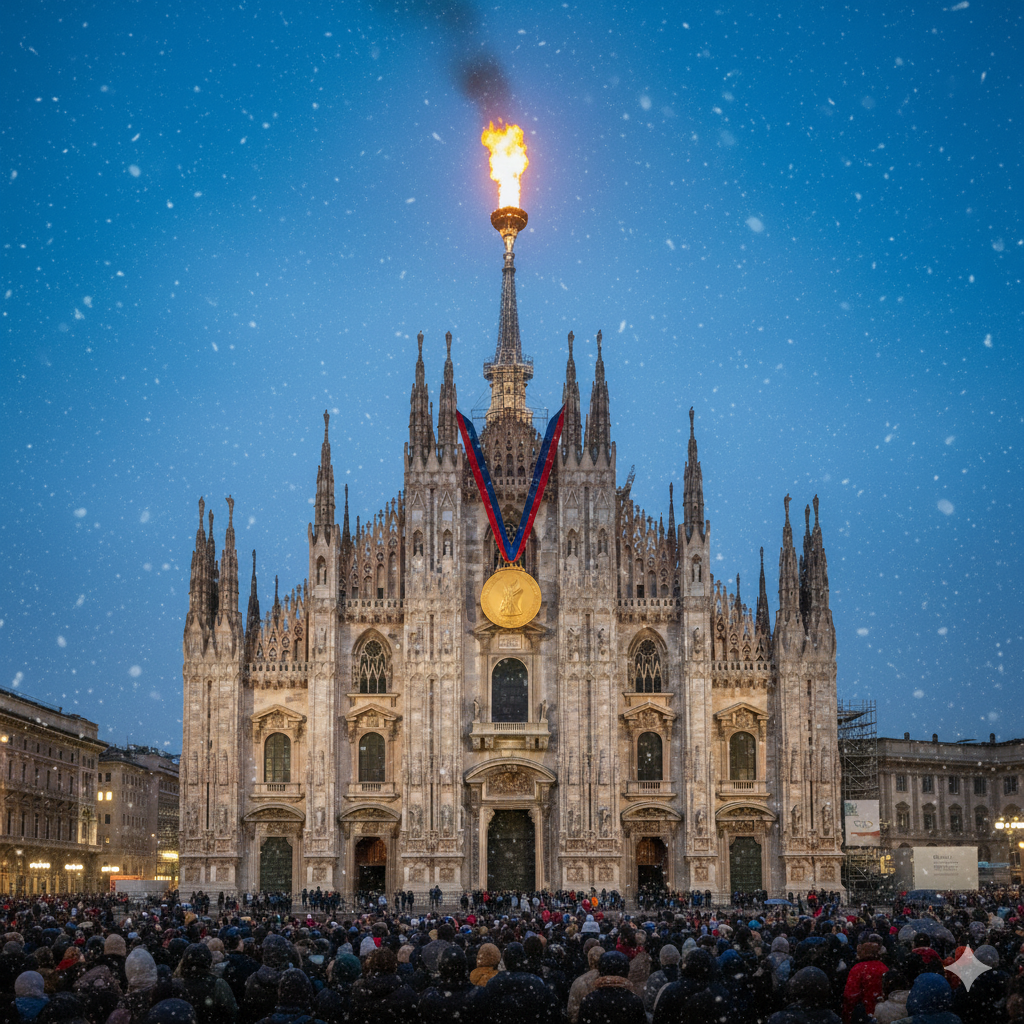
From February 6–22, 2026, Italy will host the Winter Olympics, with events spread across Milan, Cortina d’Ampezzo, Valtellina, Val di Fiemme, and Verona. While the Games mark a major moment for northern Italy, they will also bring significant aviation congestion, severe parking limitations, and airspace restrictions across the region.
Operators planning flights into northern Italy during this period should begin coordination well in advance, as airport capacity, ground services, and hotel availability will be extremely limited.
Primary Gateways
Business aviation parking across northern Italy will be highly constrained during the Olympic period.
Milan Malpensa (LIMC) and Milan Linate (LIML) will see exceptionally high demand. While limited availability may exist at both airports, operators should expect significantly elevated costs, strict slot coordination, and short parking durations. Linate will be particularly challenging to secure, as parking and slots were already limited prior to the Games and pricing has increased sharply since 2025. Malpensa offers comparatively more infrastructure but will prioritize scheduled commercial traffic.
Bergamo (LIME) is expected to be the most reliable business aviation option during the Games. The airport offers 17 self-maneuvering stands and a new General Aviation Terminal (GAT), and continues to expand facilities to support GA traffic. As a result, LIME is anticipated to serve as the primary alternative to the Milan airports for operators seeking more predictable access and parking.
Secondary and Regional Airports
Other northern Italian airports are expected to have very limited availability, with priority given to scheduled traffic:
-
LIPO / Brescia: Only a small number of stands available
-
LIPB / Bolzano, LIPH / Treviso, LIPZ / Venice, LIPQ / Trieste, and LIPX / Verona: Capacity expected to be constrained
-
LSZS / Samedan and LOWI / Innsbruck: Limited parking, winter weather considerations, and likely repositioning required
Given these constraints, repositioning will be common throughout the Olympic period.
Practical Alternates
Practical alternates for parking, repositioning, or technical stops include:
-
LIMJ / Genova
-
LIPY / Ancona
-
LIPK / Forlì
-
LIPR / Rimini
-
LIMZ / Cuneo
-
LIMF / Turin
These airports are less impacted by Olympic activity and may offer more flexibility for extended parking and support.
Infrastructure and Service Updates
Italian authorities, including ENAC and ENAV, are preparing for the Games with infrastructure enhancements at major airports. At Milan Linate, the General Aviation Terminal is undergoing a full renovation and expansion to support increased VIP and charter traffic. The upgraded GAT, along with the Universal Aviation VIP lounge at LIML, is expected to be operational ahead of the Olympics.
Operators should also anticipate heightened security procedures, mandatory slot coordination, and temporary airspace restrictions over Olympic venues and other high-profile locations.
Operational Considerations
-
Slots and PPRs: Mandatory across northern Italy during the Olympic period
-
Parking: Extremely limited at all major gateways; long-term parking not guaranteed
-
Repositioning: Likely required due to parking constraints
-
Helicopter transfers: Booking rapidly for Milan–Cortina and regional movements
-
Crew accommodations: Very limited in Milan and Cortina; early booking essential
-
Services: Ground handling, fuel, and catering availability will be under pressure
Lessons from Paris 2024
The 2024 Paris Olympics reinforced the importance of early slot and parking requests, securing backup airport options, and maintaining flexibility through close coordination with local handlers. The same approach will be critical for Italy 2026, particularly given the dispersed venues and limited Alpine-region infrastructure.
Key Takeaways
-
Olympic period: February 6–22, 2026
-
Most reliable option: LIME / Bergamo
-
Primary Milan gateways: LIMC and LIML (limited, high cost)
-
Secondary airports: LIPX, LIPO, LIPZ, LIPB, LIPH, LIPQ
-
Practical alternates: LIMJ, LIPY, LIPK, LIPR, LIMZ, LIMF
-
Expect mandatory slots, limited parking, and heavy demand for hotels and transfers
Operators should begin permit coordination, slot requests, and hotel planning now to secure optimal positioning and maintain operational flexibility during the Games.