


Rio Carnival 2026: Business Aviation Planning Guide
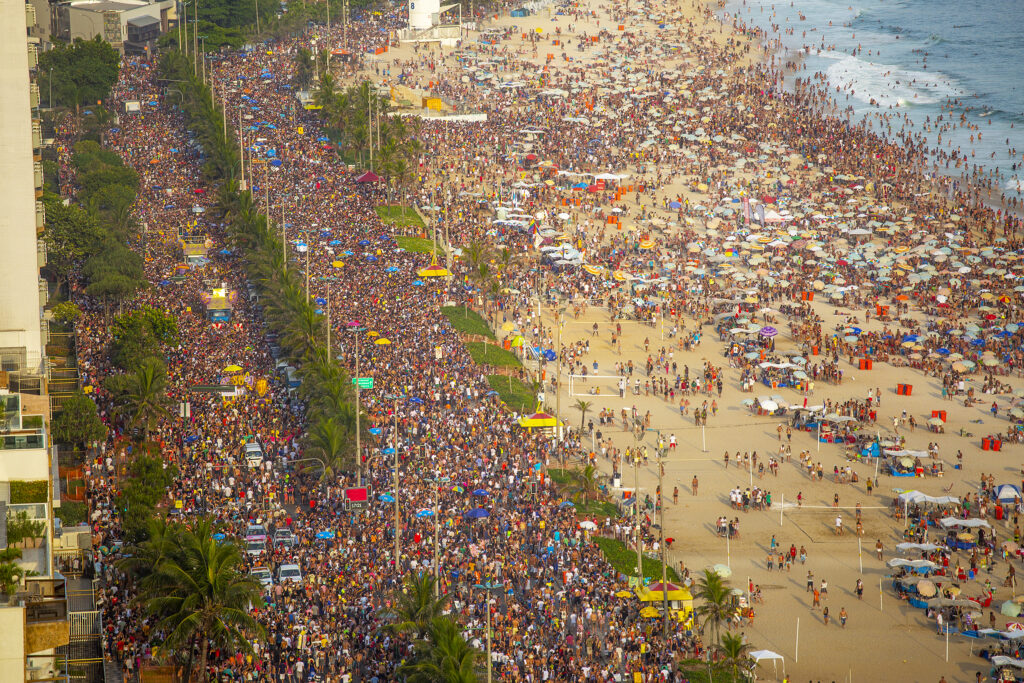
Rio Carnival is not a single event but a multi-week surge in people, surface traffic, and citywide unpredictability. While parade nights anchor the calendar, operational pressure builds well before the official start and persists after the final performances.
For business aviation operators, Carnival success depends less on airspace access and more on ground-side planning discipline, conservative timelines, and early coordination.
Event timeline and operational reality
The 2026 Rio Carnival runs February 13–21, with Grupo Especial (elite samba schools) parade nights scheduled February 15–17 at the Sambadrome.
In practice, operational impact begins earlier. Samba school rehearsals, blocos (street parties), and private events ramp up in the days and weeks leading into Carnival, increasing traffic congestion and straining logistics well ahead of opening night. Operators supporting pre-Carnival arrivals should expect elevated demand and reduced schedule flexibility.
Where Carnival activity concentrates
Carnival activity spans much of Rio de Janeiro, with major concentrations near the Sambadrome and surrounding neighborhoods. Street events are dynamic and can trigger unplanned closures, rerouted traffic, and access restrictions with limited notice.
Many streets are closed daily from approximately 0700 to 2000 local, disproportionately affecting crew movement, catering deliveries, and passenger ground transfers.
Primary airport – Galeão International Airport (SBGL)
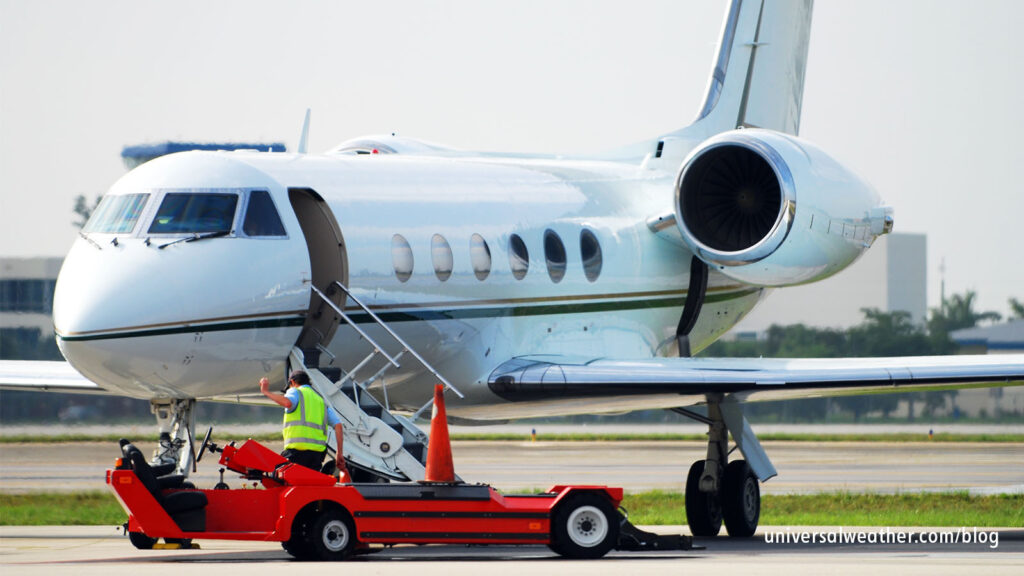
- 24-hour airport of entry
- Full GA handling and support services
- Historically adequate parking when arranged early
- Approximate drive time to central Rio: 60 minutes, variable with traffic
While Carnival drives higher volumes, SBGL has not typically experienced critical GA parking shortages when PPR requests are submitted well in advance.
Alternate airport considerations – Santos Dumont Airport (SBRJ)
- Short runway
- Limited GA parking
- Not an airport of entry
Operators planning multiple domestic legs must secure a domestic operating permit, which must be activated at an airport of entry before continuing within Brazil.
Additional operational considerations at SBRJ:
- Towing is required for departure
- No local caterer available
- Catering is typically sourced from SBGL and delivered airside
Carnival operations risk box – what actually disrupts trips
Primary Carnival-related disruptions occur on the ground, not in the air.
- The first domino: ground-side shortages.
Catering items becoming unavailable, hotel inventory selling out, and driver or vehicle shortages are the most common initial failures. Once one of these breaks, downstream impacts follow quickly, including delayed departures, extended crew duty days, and last-minute schedule revisions. - Surface traffic volatility.
Street closures, blocos, and spontaneous gatherings routinely alter traffic patterns. Drive times between SBGL, hotels, and event venues can vary dramatically by time of day. Conservative buffers should be built into crew report times, passenger pickups, and catering deliveries. - Crew logistics and duty risk.
Ground delays are a frequent source of extended duty days. Hotels closer to event areas may reduce drive time but increase exposure to noise, crowd density, and access controls. Crew fatigue planning should account for transit uncertainty, not just flight time. - Catering and provisioning reliability.
Off-airport catering deliveries are frequently delayed during peak Carnival days. Catering should be requested well in advance, and any updates should be communicated no later than 36 hours prior to departure. - Parking confirmation timing.
Even with approved PPR requests, final parking confirmation at SBGL may be issued close to ETA. Tight turn assumptions should be avoided, particularly for fixed departure schedules.
Operational takeaway: Carnival disruptions are rarely singular events. They compound. Successful operations assume same-day adjustments will be required.
PPR and slot environment
- PPR is mandatory for overnight parking at SBGL
- Requests should be submitted well in advance
- Approvals are often issued only hours before ETA
- PPR approval does not guarantee parking until final confirmation
At present, no airport slot requirements apply at SBGL or SBRJ.
Permit planning considerations
International operations to Brazil typically require 24–48 hours’ lead time for permit approval, though shorter approvals may be possible in limited cases. Permit approval does not confirm parking availability.
Domestic permits
Domestic overflight permits officially require three business days.
Required documentation typically includes:
- Full schedule
- Airworthiness and registration certificates
- Insurance
- Pilot licenses and medicals
Upon first landing in Brazil, operators should plan up to 90 minutes on the ground to validate the domestic permit before continuing.
CIQ process at SBGL
- Typical clearance time: approximately 30 minutes
- Includes security screening, passport control, and baggage inspection
- Short bus or van transfer required between GA parking and terminal
Crew accommodations

- Elevated rates and stricter cancellation policies during Carnival
- Preferred properties sell out early
- Four-star crew accommodations typically remain available
- Typical Carnival pricing: USD 200–450 per night
Booking crew accommodations near the airport is strongly recommended due to heavy traffic throughout the day.
Ground transportation planning

- Pre-arranged transportation with vetted drivers is strongly recommended
- Airport-licensed taxis are generally safe
- Informal taxis should be avoided
- Expect unpredictable delays near event areas
Experienced crews routinely plan earlier hotel departures than usual to reduce stress and avoid cascading delays.
Catering planning
- In-flight catering should be requested with at least 48 hours’ notice
- Any changes should be communicated no later than 36 hours prior to departure
- Hotel or restaurant catering is possible with handler coordination
- Allow 90–120 minutes for delivery prior to departure due to traffic delays
When possible, refueling upon arrival can reduce exposure to departure-day delays.
Visa considerations
Visa requirements vary by nationality and must be satisfied prior to arrival. Active crew members listed on the general declaration typically do not require visas when arriving as operating crew on a GA flight.
Final operational guidance

Rio Carnival 2026 is operationally manageable for business aviation, but only with early planning and conservative assumptions.
Operators should prioritize:
- Early permit and PPR submissions
- Basing aircraft at SBGL whenever possible
- Advance catering and transportation requests
- Expanded buffers across all ground logistics
With proper coordination, Carnival operations can be executed smoothly despite elevated demand. Universal Aviation Brazil can support permit coordination, PPR submissions, ground handling, and on-site logistics throughout the Carnival period.